When it comes time to select a new cutting board, what factors should be given the greatest weight? Aesthetic value? Longevity? Functionality?
Obviously, each of these aspects is significant, and each type of material has its own unique set of benefits and advantages to provide. Teak, on the other hand, is the only material that has a well-deserved reputation for being exceptional in all of these areas.
Although many who work in the furniture and boat-building industries are certainly familiar with this stunning hardwood, there are far too few home cooks who are aware of the benefits that teak can bring to the kitchen. Up until quite recently, the cutting boards made of teak wood seen on television most frequently belonged to celebrity chefs. However, the development of renewable plantation teak has made it possible for professional cooks and devotees of kitchen design to have access to a supply of materials that is both less expensive and less likely to cause conflict.

Teak is a material that is highly regarded for use in the construction of boats and outdoor furniture for the same reasons that it is a good material for cutting boards: it is exceptionally stable, beautiful, and long-lasting. Teak, in contrast to more rigid materials such as bamboo, is tough enough to withstand the blades of knives while still being flexible enough to keep those blades sharp. This is one of the reasons why teak is a favorite among chefs who work in restaurants.
One more reason for teak’s popularity among those interested in cooking is, of course, the stunning wood grain it possesses. Although there is a wide selection of cutting boards available today, very few of them, if any at all, are so beautiful that they will be treasured as heirlooms in the family for generations to come. Not only does teak absorb oil effectively, but many people find that the natural silver patina that develops on the wood when it is left to age naturally is more appealing.
The naturally high oil content of teak is the factor that contributes most to its popularity. The fact that these resins are oily and so repel moisture is the primary reason why many pieces of outdoor teak furniture have lasted for more than a century. If it is able to withstand the elements, then you can be confident that it will be able to withstand the wear and tear that occurs in the typical kitchen.
Even both edge grain and face grain construction styles both highlight the exotic wood grain of teak, the end grain construction style, also known as the butcher-block type, offers the most effective cutting performance. In addition to keeping blades sharper for a longer period of time, end grain boards feature self-healing characteristics that prevent knife marks from appearing.
Plantation teak is a conflict-free and sustainable alternative to teak that is obtained from Southeast Asia. This makes it an excellent choice for environmentally conscious consumers. Cutting boards made from sustainably managed forests in Latin America are available from companies like Proteak, which are cognizant of their impact on the environment.
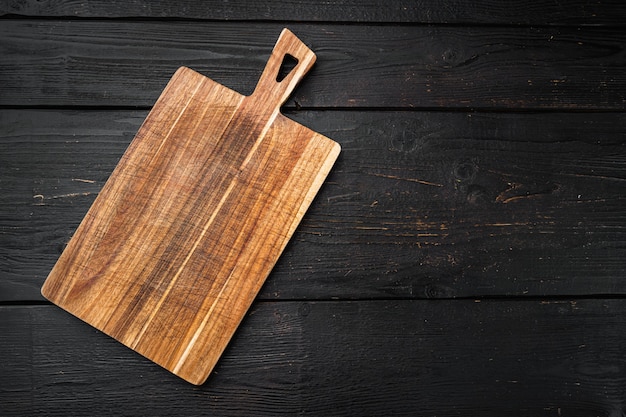
 Cutting Board Types